

- The best water temperature for skin is 98°F to 105°F, or 37°C to 40°C.
- Lukewarm water supports shower temperature skin health.
- Hot water strips natural oils and weakens the skin barrier.
- Cold water offers temporary tightening but limited long-term benefits.
- Keep showers under 10 minutes for best results.
- A shower filter like Lucinn can help reduce impurities that affect skin and hair.
The Ideal Water Temperature Range for Healthy Skin

Choosing the best water temperature for skin comes down to protecting your skin barrier. Water that's too hot or too cold can disrupt moisture balance and lead to irritation.
Dermatologists generally recommend an optimal shower temperature skin range of 98°F to 105°F. This feels comfortably warm but doesn't cause redness or stinging. If your bathroom fills with steam quickly or your skin turns pink, your shower is likely too hot.
| Water Temperature | How It Feels | Effect on Skin |
|---|---|---|
| Below 70°F | Cold | Tightens skin temporarily, may not cleanse well |
| 98°F to 105°F | Lukewarm and comfortable | Best water temperature for skin health |
| Above 105°F | Hot | Strips oils, increases dryness and irritation |
What does 40°C water feel like? It feels warm and relaxing, similar to a heated pool. It shouldn't sting or make your skin flush bright red.
How Shower Temperature Affects Skin Health
Your skin has a protective outer layer called the skin barrier. This layer holds moisture in and keeps irritants out.
When you use very hot water, you remove the natural oils that keep your skin soft. This increases transepidermal water loss, which means your skin loses hydration more easily. Over time, this weakens shower temperature skin health and makes skin more sensitive.
Cold water doesn't damage the barrier the same way, but it also doesn't improve it. It may reduce inflammation briefly, but it doesn't deeply hydrate or repair skin. Consistently using the best water temperature for skin helps maintain moisture balance, reduce irritation, prevent redness, and support smoother texture.
Water quality matters here too. Hard water and chlorine can make dryness worse, and you can check the signs your home has hard water if you suspect this is adding to the problem.
Hot vs. Cold Shower for Skin: Which Is Better?
The debate about hot vs. cold shower for skin comes up constantly. The truth is that extreme temperatures aren't ideal for daily use, regardless of which direction you lean.
Hot Water and Skin
Hot showers feel soothing, especially in cold weather. However, frequent exposure to hot water can cause dry patches, itching, redness, flare-ups in eczema and rosacea, and that tight feeling after showering. Hot water dissolves the protective oils that keep your skin balanced. Even if your skin feels clean, it may actually be stripped.
Cold Water and Skin
Cold water is often said to close pores and prevent wrinkles. In reality, pores don't open or close like doors. Cold water may temporarily tighten the appearance of skin, reduce puffiness, and feel refreshing. Can cold water reduce wrinkles? Not permanently. It may make skin look firmer for a short time, but it doesn't change collagen or skin structure.
Why Lukewarm Is Best
The best water temperature for skin is lukewarm because it cleans effectively, protects natural oils, supports optimal shower temperature skin routines, and minimizes irritation. It's the safest and most balanced option for everyday use, which is exactly why board-certified dermatologists consistently recommend it over either extreme.
Best Water Temperature for Different Skin Types
Skin type plays a role in how your body reacts to water temperature. Adjusting within the safe lukewarm range can improve comfort.
| Skin Type | Recommended Temperature | Why It Works |
|---|---|---|
| Dry Skin | 98°F to 100°F | Prevents further moisture loss |
| Oily Skin | 100°F to 105°F | Cleans without triggering more oil |
| Sensitive Skin | 98°F to 102°F | Reduces flare-ups and redness |
| Mature Skin | 98°F to 100°F | Protects elasticity and hydration |
Dry or Dehydrated Skin
Dry skin gets worse with heat. Stick to the lower end of the lukewarm range and moisturize immediately after showering.
Oily and Acne-Prone Skin
Hot water doesn't remove oil better. It can actually trigger more oil production. Lukewarm water keeps skin balanced without over-stripping it.
Sensitive Skin and Rosacea
Extreme temperatures can trigger redness. Gentle warmth is best for keeping skin calm, especially when chlorine and heavy minerals are already part of the picture for eczema-prone skin.
Mature or Aging Skin
Aging skin is thinner and more prone to dryness. Using the best water temperature for skin helps protect elasticity and smoothness.
Best Water Temperature for Face vs. Body

Facial skin is thinner and more delicate than body skin, so it needs slightly gentler care than the rest of your shower routine.
The best water temperature for skin on your face is lukewarm, often slightly cooler than your shower temperature. Avoid direct high-pressure hot water on your face. Use lukewarm water, avoid very hot rinses, pat dry instead of rubbing, and apply moisturizer quickly. Ending with a cool splash is optional, but it isn't necessary for healthy skin.
Shower Duration and Temperature Control for Skin Health
Temperature and time both matter. Even the best water temperature for skin can cause dryness if you stay in too long.
Dermatologists recommend keeping showers short, ideally around 5 to 10 minutes, and applying moisturizer within 3 minutes after stepping out to help protect the skin barrier. Keep water between 98°F and 105°F, limit showers to under 10 minutes, use gentle cleansers, and moisturize within 3 minutes after drying.
Pair the Right Temperature With Cleaner Water
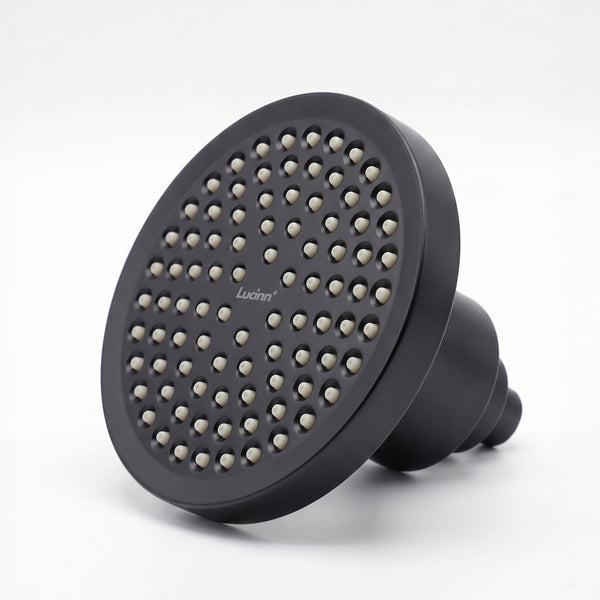
If your water contains chlorine or minerals, it can add to dryness no matter how well you've dialed in the temperature. Lucinn shower filters help reduce impurities, supporting healthier skin as part of your daily routine.
Shop Lucinn Filtered ShowerheadsSigns Your Water Is Too Hot for Your Skin
Your skin will tell you when something is wrong. Paying attention to early signs prevents long-term damage.
Watch for red or flushed skin, an itchy feeling, tightness after showering, flaky or peeling patches, and increased sensitivity. Lower your shower temperature gradually until these symptoms improve.
Seasonal Adjustments for the Best Water Temperature for Skin
Weather changes influence how your skin reacts. Making small seasonal adjustments can protect shower temperature skin health year round.
In winter, avoid turning the water too hot even if it feels comforting, and increase moisturizer use instead. In summer, avoid icy cold showers and stick to lukewarm water for proper cleansing. Consistency matters more than extreme temperature changes in either direction.
Water Quality and Skin Health
Temperature is only one part of the equation. Water quality also affects how your skin looks and feels. Hard water leaves mineral residue that can dry out skin, and chlorine may increase irritation. Even when using the best water temperature for skin, unfiltered water can reduce your results.
For a closer look at what filtration actually changes, the best shower filter consumer reports guide breaks down which filters are backed by independent testing versus marketing claims alone.
Best Lucinn products for protecting your skin barrier
 Everyday filtered rinsing Best for daily showers when chlorine or mineral buildup is adding to dryness alongside hot water. Shop Rain Showerhead
 Gentle, targeted rinsing Best for directing lukewarm water exactly where sensitive or eczema-prone skin needs it most. Shop Handheld Showerhead
 Consistent filter upkeep Best for keeping impurity reduction steady so your skin barrier has fewer stressors to fight long term. Shop Filter Cartridges
More Lucinn Products for a Skin-Friendly Shower
If you're building out a full routine around water quality and temperature control, these round out the setup.
Round out your skin-care shower setup
 Wall-mounted, classic finish Best for a fixed showerhead in chrome, matte black, or brushed nickel built around daily, consistent use. Shop Wall-Mounted Showerhead
 Steady, controllable pressure Best if pressure swings make it hard to hold a consistent lukewarm temperature throughout the shower. Shop SmartFlow Restrictor
Frequently Asked Questions
What temperature of water is better for your skin?
What does 40°C water feel like?
Can cold water reduce wrinkles?
Is 72 degree water too cold to swim for skin health?
The Bottom Line
The best water temperature for skin isn't extreme in either direction. Keep your showers lukewarm between 98°F and 105°F, limit shower time, and moisturize right after drying. These simple habits protect your skin barrier and support long-term skin health.
Water quality is just as important as temperature. Combining the right temperature with cleaner, filtered water gives your skin the care it actually deserves.
For a simple daily upgrade, start with a Lucinn Pro filtered showerhead in the style that fits your bathroom, wall-mounted or handheld, and give your skin barrier one less thing to fight every time you shower.