

This article covers general information about hard water and shower comfort during pregnancy. It isn't a substitute for medical advice. If you have specific concerns about your pregnancy, your OB or midwife is the right person to ask.
- Hard water shower effects during pregnancy mostly affect skin and hair, not your baby.
- Minerals in hard water can worsen dryness, itching, and eczema flare-ups.
- There is no strong evidence that showering in hard water harms fetal development.
- Overheating from hot showers is a bigger concern than water hardness.
- A filtered shower pregnancy setup can help reduce irritation and improve comfort.
Understanding Hard Water Shower Effects During Pregnancy
Hard water contains high levels of minerals such as calcium and magnesium. These minerals aren't dangerous, but they can change how water interacts with your skin and hair.
During pregnancy, your body produces more hormones that affect oil production and skin sensitivity. Because of this, even small environmental triggers like mineral-heavy water or chlorine exposure may feel stronger than usual.
What Is Hard Water?
Hard water is water that has picked up minerals from rocks and soil as it moves through the ground. These minerals stay in the water when it reaches your shower. You might have hard water if you notice white or chalky buildup on showerheads, soap that doesn't lather well, a film left on your skin after bathing, or dull or stiff-feeling hair. These signs point to mineral residue that can cling to your skin.
Skin Changes Linked to Hard Water Shower Effects During Pregnancy

Your skin already stretches and adjusts during pregnancy. Adding hard water to the mix can increase discomfort, especially if your skin is sensitive. Hard water doesn't soak deep into your body, but it can sit on the surface of your skin and affect its protective barrier.
Dry and Itchy Skin
Minerals in hard water react with soap and create a residue. This layer can block moisture and make it harder for your skin to stay hydrated. Common symptoms include tightness after showering, itching on the belly, breasts, and thighs, flaky patches, and increased sensitivity. Pregnancy hormones already make itching more common, so hard water can make it worse.
Eczema and Irritation
If you have eczema or dermatitis, hard water can trigger flare-ups. The mineral buildup may weaken the skin barrier, leading to redness and inflammation.
Using a filtered shower pregnancy solution can help reduce chlorine and certain impurities. However, most standard shower filters don't significantly remove calcium and magnesium minerals. In areas with very hard water, a full water softener system is needed to meaningfully lower hardness levels. Many women notice their skin feels softer and calmer after switching to a shower filter regardless. If eczema is part of the picture, cleaner shower water designed around eczema-prone skin can work alongside whatever your dermatologist has already recommended.
Hair and Scalp Effects of Hard Water During Pregnancy
Hair changes are common in pregnancy. Some women enjoy thicker hair, while others deal with dryness and scalp irritation. Hard water can add to these changes by coating the hair shaft with minerals.
| Concern | What's Happening |
|---|---|
| Dry or brittle strands | Mineral residue prevents moisture from absorbing properly |
| Hair that feels heavy or sticky | Soap scum and mineral buildup coat the hair shaft |
| Dull appearance | Residue blocks light from reflecting evenly off the strand |
| Itchy scalp | Mineral film combined with shifting pregnancy hormones |
Mineral buildup makes it harder for shampoo to rinse out fully. This can leave hair feeling less clean even after washing.
Using a premium shower filter such as those offered by Lucinn can help reduce chlorine exposure and certain impurities in your shower water. While most shower filters aren't full water softeners, they can still improve overall shower quality and comfort. Both wall-mounted and handheld options can support a gentler shower experience for your scalp and hair.
Is Hard Water Safe During Pregnancy Shower Routines?
Many women ask if hard water is safe during pregnancy shower routines. The good news is that there's no strong scientific evidence linking hard water showers to pregnancy complications.
A study on dermal mineral absorption found that calcium and magnesium are not absorbed through healthy human skin in meaningful amounts during bathing, even after extended soaking. The main effects of hard water are surface level, meaning they affect comfort rather than your baby's development.
What About the Baby?
Hard water shower effects during pregnancy are focused on the mother's skin and hair. There's no clear evidence that showering in hard water harms an unborn baby.
If your local water supply is treated and tested for contaminants, the risk is low. The bigger concern is whether your water is clean overall, not whether it's hard. You can check the signs your home has hard water if you want to confirm what you're dealing with.
Chlorine Shower During Pregnancy and Mineral Exposure
In addition to hardness, many people worry about chlorine exposure during pregnancy showers. Chlorine is added to public water systems to kill bacteria and keep water safe.
Short shower exposure to chlorine is generally considered safe. However, chlorine can dry out skin and hair, especially when combined with hard water minerals. A filtered shower pregnancy setup may help reduce chlorine smell and skin dryness.
Hard Water vs. Hot Water During Pregnancy

When discussing hard water shower effects during pregnancy, it's important to separate mineral concerns from temperature concerns. Water temperature often plays a bigger role in pregnancy safety than hardness does.
What Happens If You Take Too Hot of a Shower While Pregnant?
Very hot showers can raise your core body temperature. Cleveland Clinic notes that raising your core temperature above roughly 102°F may increase certain risks, particularly during the first trimester when critical organs are forming.
Watch for signs like dizziness, sweating heavily, feeling faint, or a rapid heartbeat. Keep showers warm, not hot. If you feel uncomfortable or lightheaded, lower the temperature and step out right away.
Comfort You Can Control, Even When Temperature Matters Most
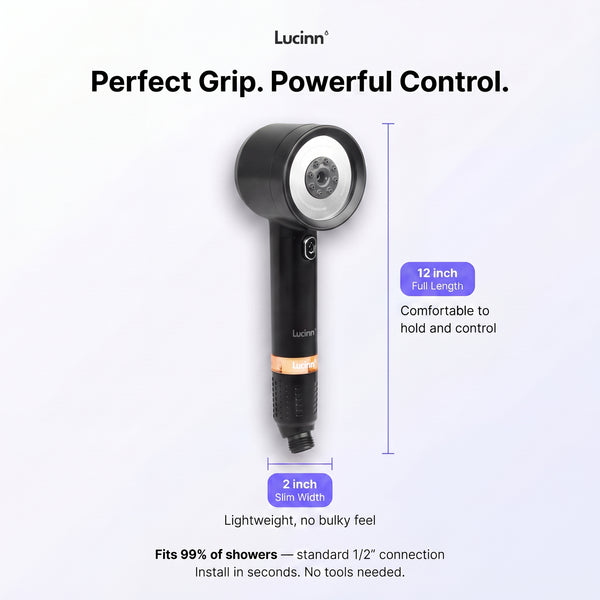
A handheld showerhead makes it easier to control both temperature and pressure during pregnancy, while reducing chlorine and certain impurities that can add to skin irritation.
Shop Lucinn Filtered ShowerheadsSigns Hard Water Is Causing Problems During Pregnancy
Sometimes it's hard to tell if irritation is from hormones or water quality. Looking at patterns can help.
You may be dealing with hard water shower effects during pregnancy if you notice skin that feels worse right after showering, soap that doesn't rinse clean, persistent itching despite using gentle products, or white scale buildup in your bathroom. If symptoms improve when traveling or using filtered water, that's another clue worth paying attention to.
How to Reduce Hard Water Shower Effects During Pregnancy
Managing hard water is often about improving comfort. Small changes in your routine can make a noticeable difference.
Install a Shower Filter
A filtered shower pregnancy approach can reduce chlorine and certain impurities in your water. Most standard shower filters don't significantly soften hard water minerals, but they can improve overall shower quality and comfort. For significant hardness reduction, a full home water softener system is typically required. To understand the difference between what filters can and can't do, the best shower filter consumer reports guide breaks down independent testing data versus marketing claims.
Moisturize Right After Showering
Apply a fragrance-free moisturizer within a few minutes of stepping out. Damp skin absorbs lotion better and helps lock in hydration.
Use Gentle Cleansers
Choose soap-free or mild cleansers. Harsh soaps react with hard water minerals and increase dryness.
Keep Showers Short and Warm
Limit showers to about 10 to 15 minutes. Warm water is safer and less drying than hot water.
Best Lucinn products for a more comfortable pregnancy shower
 Easy temperature control Best for adjusting water flow and angle as your balance and comfort change throughout pregnancy. Shop Handheld Showerhead
 Hands-free everyday filtering Best for a consistent, filtered rinse every day without needing to hold anything. Shop Wall-Mounted Showerhead
 Consistent filter upkeep Best for keeping filtration steady through the months ahead without forgetting a swap. Shop Filter Cartridges
More Lucinn Products for Shower Comfort
If shower pressure or temperature swings are adding to discomfort, this rounds out a calmer setup.
Round out your shower comfort setup
 Steady, predictable pressure Best for keeping water flow consistent so it's easier to hold a warm, not hot, temperature throughout your shower. Shop SmartFlow Restrictor
Frequently Asked Questions
What does showering with hard water do to your body?
Does hard water affect babies during pregnancy?
Can hard water cause itching during pregnancy?
Should I use a filtered shower during pregnancy?
Is hard water safe during pregnancy shower routines?
The Bottom Line
Hard water shower effects during pregnancy are mostly about comfort, not danger. The minerals in hard water can increase dryness, itching, and irritation, especially when your skin is already sensitive from hormonal changes.
Paying attention to water temperature, using gentle products, and considering a filtered shower pregnancy setup can make daily showers much more comfortable. Temperature is the bigger safety factor here, so when in doubt, keep it warm, not hot, and check with your prenatal care provider about anything that feels outside the ordinary.
For a simple daily upgrade, start with the Lucinn Pro Rain Filtered Showerhead and make daily showers one less thing to worry about during these nine months.