
Most men searching this topic never get a straight answer, so here is the honest framing up front. A shower filter cannot change the genetics or hormones behind pattern balding.
What it can do is reduce two everyday inputs, hard water and chlorine, that may quietly work against the hair you still have. That distinction is the whole point of this guide.
- A shower filter targets environmental hair stress (hard water, chlorine, sediment), not hormonal or genetic hair loss.
- Hard water can leave mineral buildup that may make hair feel brittle, dull, and more prone to breakage that can look like shedding.
- Chlorine can strip natural oils and may irritate the scalp, which works against an already fragile hair situation.
- Filters built for this often use KDF-55 plus activated carbon, which target chlorine and heavy metals at shower temperatures.
What Is a Shower Filter for Men Hair Loss?
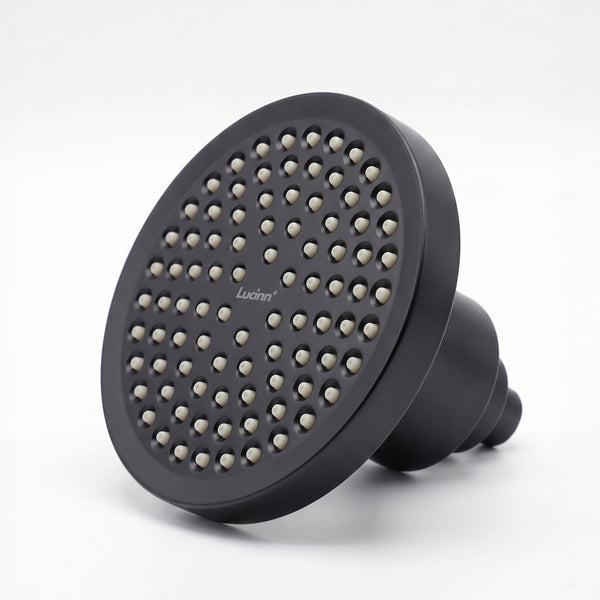
A shower filter is a device that attaches to your shower arm or replaces your shower head, running water through filtration media before it touches your skin and scalp.
For hair specifically, the goal is to reduce two culprits: hard water minerals (calcium and magnesium) and chlorine, the disinfectant added to most municipal tap water.
Here is the honest framing. There are two broad categories of hair loss in men. The first is androgenetic alopecia, the pattern thinning driven by genetics and the hormone DHT. No shower filter affects that.
The second is cosmetic and environmental hair stress, which includes breakage, dryness, scalp irritation, and buildup. This is the category a filter may genuinely help with. The trouble is that the second category often looks like the first.
Men see more hair in the drain, more scalp showing through, and assume they are balding faster than they are, when a meaningful part of the problem can be water quality.
Why It Matters Right Now
According to the US Geological Survey, a large majority of US households have some level of hard water, and many men have no idea their shower may be part of their hair problem.
If you have moved to a new city and your hair suddenly feels straw like, or you have noticed more strands breaking mid length, your water is worth investigating.
The reason to act is simple: ongoing exposure can compound. Every shower can deposit a little more mineral residue and strip a little more protective oil. Over months, that may turn manageable thinning into visibly worse coverage.
A shower filter for men hair loss is one of the few steps that addresses an ongoing input rather than chasing the result after the fact.
How Hard Water Affects Men's Hair

Hard water is water with a high concentration of dissolved calcium and magnesium. When it dries on your hair, it can leave a mineral film that coats each strand.
That film tends to do three things:
- Make hair feel rough, dry, and tangly, which can lead to more mechanical breakage when you comb or towel dry.
- Make it harder for conditioners and treatments to absorb properly, so your products may underperform.
- Build up on the scalp, where it can contribute to flaking and itchiness for some people.
The breakage point is the one that trips men up. When mineral weakened hair snaps off mid shaft, it can show up in the drain and on the pillow much like shed hair from the root. You may think you are losing hair, when you are partly breaking it.
If you want to check your water, look for common signs of hard water around your home, like soap scum, spotty glassware, and reduced lather.
There is a useful contrast here too. Soft water lets hair retain more moisture and lets products work closer to the way they are designed to.
Does Hard Water Cause Hair Loss in Men?
This is the question everyone wants answered directly, so here it is. Current evidence does not show that hard water causes androgenetic hair loss.
Genetics and hormones drive that. What hard water appears to do is affect hair quality and scalp comfort, which can make existing thinning more visible and may increase breakage.
How Chlorine Affects Men's Hair and Scalp

Chlorine is added to municipal water to kill bacteria, and it does that job well. The downside is that it does not distinguish between bacteria and the natural oils on your scalp and hair.
Regular chlorine exposure in the shower can:
- Strip sebum, the oil that helps keep hair flexible and the scalp balanced.
- Dry out the scalp, which may lead to irritation, tightness, and flaking.
- Leave hair feeling more porous and fragile, which again can increase breakage.
A dry, irritated scalp is not an ideal environment for comfortable hair. Chlorine is not a proven direct cause of follicle loss, but ongoing scalp irritation can work against you.
If you swim regularly on top of daily showers, your exposure is higher, and a filter built for that may be worth considering.
What to Look For in a Shower Filter
Not all filters are built the same, and for hair related concerns the filtration media matters more than the marketing.
- KDF-55: A copper zinc media that is effective at reducing chlorine and water soluble heavy metals like lead and mercury. It performs well at the warm temperatures of shower water, which is where many cheaper filters fall short.
- Activated carbon (paired with KDF): Good at absorbing chlorine, odors, and some organic compounds. On its own at high temperatures it can be less effective, which is why pairing it with KDF-55 is the stronger setup.
- Vitamin C or calcium sulfite stages: Some multi stage filters add these to help neutralize chlorine and chloramine. They can be a useful addition but usually are not a standalone solution.
A few practical buying notes:
- Check the flow rate. A filter that drops your water pressure will not get used.
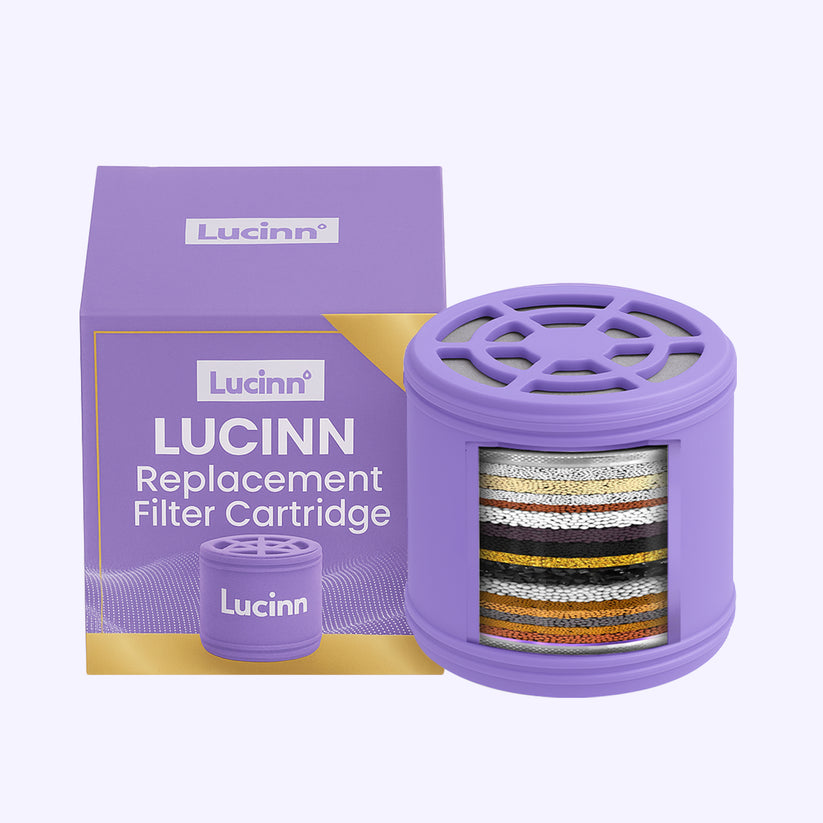
- Look at replacement cartridge cost and frequency, not just the upfront price. This is where the real long term cost lives.
- Be skeptical of any filter claiming to fully "soften" water. Most shower filters reduce chlorine and metals well but do not remove calcium and magnesium the way a whole house softener does.
Common Mistakes and Misconceptions
Mistake 1: Expecting regrowth. A filter can improve the hair you have and the scalp it grows from. It does not wake up dormant or DHT affected follicles. Anyone promising regrowth from a shower filter is overselling.
Mistake 2: Confusing breakage with shedding. Before assuming you are balding, remember that some shedding is normal. Many people lose 50 to 100 hairs a day, and knowing what is normal can prevent unnecessary panic.
Mistake 3: Ignoring the buildup already there. Installing a filter helps stop new mineral deposits, but it will not strip months of existing buildup overnight. A periodic clarifying or hard water treatment can help reset things while the filter reduces new buildup.
Mistake 4: Buying on price alone. The cheapest filters often use carbon only media that degrades fast in hot water. You can end up replacing cartridges constantly or running essentially unfiltered water without realizing it.
Step by Step: Getting the Most From a Shower Filter
- Confirm your water type. Use an inexpensive hardness test strip or check your municipal water report. Knowing whether your issue is hardness, chlorine, or both guides your filter choice.
- Pick the right media. For chlorine heavy municipal supplies, prioritize KDF-55 plus carbon. If hardness is your main complaint, manage expectations, since a filter helps with chlorine and metals but will not fully soften.
- Install correctly. Most units thread onto the shower arm in a few minutes with plumber's tape. Hand tighten and check for leaks.
- Clarify once at the start. Do a single clarifying wash to remove existing buildup so you start from a clean baseline.
- Track over several weeks. Note changes in how your hair feels, scalp comfort, and the amount of breakage. Hair changes take a full growth and shedding cycle to become obvious.
- Replace cartridges on schedule. A spent cartridge does little. Set a reminder based on the manufacturer's interval and your usage.
Cleaner Water, Healthier Looking Hair

Reduce the chlorine and heavy metals in your daily shower and give your hair and scalp a cleaner starting point.
Shop Lucinn Pro Filtered ShowerheadsFrequently Asked Questions
Can a shower filter stop hair loss?
Does hard water cause baldness in men?
Can chlorine in shower water make your hair fall out?
Will my hair grow back if I use a shower filter?
What type of shower filter is best for hair loss?
Final Thoughts
A shower filter for men hair loss is a smart, low effort upgrade if your hair problems trace back to hard water or chlorine. It will not reverse genetic balding, but for breakage, dullness, and an irritated scalp, cleaner water is one of the easiest wins available.
Set realistic expectations, choose KDF and carbon media, replace cartridges on time, and give it a couple of months.
If your thinning is clearly genetic or progressing quickly, it is worth speaking with a doctor or dermatologist alongside any water changes.