
If you are tired of greasy roots by midday, the right shower routine for oily scalp can help break the cycle without drying you out.
The tricky part is that over washing and harsh water can make oily scalps feel worse, because stripping your scalp can signal it to produce even more oil. The goal is balance, cleaning the grease while keeping your scalp calm.
At Lucinn, we focus on one piece most routines ignore, the water itself, and a filtered showerhead can help every other step in your routine work better.
- An oily scalp is often made worse by over washing, which can trigger more oil production.
- Use lukewarm water, a gentle clarifying shampoo on the scalp only, and condition just the ends.
- Rinse thoroughly and finish cool, since leftover product and hot water can add to grease.
Why Your Scalp Gets So Oily
Your scalp naturally produces oil called sebum to protect your hair, but several things can push it into overdrive.
The biggest trap is overwashing. When you strip all the oil away, your scalp can read that as a signal to make more, so you end up greasier and stuck in a cycle.
Touching your hair, harsh products, heat, and even your water can all add stress to the oil glands.
- Overwashing strips away natural oils and can trigger a rebound in oil production.
- Harsh or wrong products can irritate the scalp, which may lead to more grease.
- Touching, brushing, and scratching can spread and stimulate oil.
- Hot water and heat styling can leave the scalp working overtime.
The Step-by-Step Shower Routine for Oily Scalp

Here is the routine that helps control oil without sending your scalp into overdrive. Follow the order, since each step sets up the next.
Step 1: Start With the Right Water
Water temperature and quality matter more than people think. Lukewarm water cleans well without overstimulating oil glands, while hot water can dry and irritate the scalp.
Hard water and chlorine can leave mineral and chemical buildup that weighs hair down and can throw off your scalp balance.
- Use lukewarm water, never hot, to help avoid triggering more oil.
- Filter out chlorine and hard minerals that can disrupt the scalp.
- Cleaner water helps your shampoo lather and rinse properly.
- Finish the shower with a cool rinse to help calm the scalp.
Step 2: Shampoo the Scalp Only
Your oil lives at the roots, so that is where shampoo belongs. Work a small amount gently into the scalp with your fingertips, not your nails, since rough scrubbing can irritate the scalp into making more oil.
- Apply shampoo to the scalp and roots, not the lengths.
- Use gentle fingertip pressure, never aggressive scrubbing.
- Let the suds rinse down through the ends as you wash out.
- A clarifying shampoo helps lift heavier oil and buildup.
Step 3: Condition Only the Ends
Conditioner on your scalp is what can make oily hair look greasy fast. Keep it where it is actually needed.
- Apply a lightweight conditioner from mid length to ends only.
- Keep it well away from your roots and scalp.
- Rinse thoroughly so nothing is left to weigh hair down.
- Skip heavy silicone formulas that can build up over time.
Step 4: Rinse Like You Mean It
Leftover shampoo and conditioner can coat the hair and make it look dirty again within hours.
Spend an extra minute making sure every bit is washed out before you step out.
How Often Should You Wash an Oily Scalp
There is no single answer, since it depends on your scalp, hair type, and lifestyle. The trick is finding the sweet spot between greasy and stripped.
| Your Situation | Suggested Wash Frequency |
|---|---|
| Very oily scalp, fine hair | Daily or every other day |
| Oily scalp, normal hair | Every other day |
| Oily roots but dry ends | 2 to 3 times a week, condition ends |
| Oily scalp plus workouts | Wash after heavy sweat sessions |
| Oily scalp, trying to retrain | Slowly stretch time between washes |
If daily washing leaves you greasy by evening, try slowly stretching your washes to let your scalp rebalance. It can feel oily at first, but many scalps settle down with time.
Products and Habits That Help
The shower is the core, but a few choices around it help keep oil in check between washes.
- Choose products made for oily hair and skip anything with silicones.
- Use dry shampoo occasionally, then wash it out fully the next day.
- Clean your hairbrush regularly so it does not redeposit oil.
- Keep your hands out of your hair to avoid spreading grease.
- Wash after wearing hats or helmets, which trap heat and oil.
A Quick Word on Apple Cider Vinegar
A diluted apple cider vinegar rinse can help loosen buildup and balance your scalp now and then.
Mix a small amount with water, work it through, and rinse. Use it occasionally rather than daily so you do not overdo it.
Why Filtered Water Helps the Routine Work Better
Here is the piece most oily scalp guides leave out. You can follow every step above, but if your water is high in chlorine and hard minerals, it can keep leaving buildup and affecting your scalp.
That buildup can weigh hair down, dull it, and may throw off your scalp's oil balance.

A shower filter reduces those minerals and chlorine before they reach your head, so your scalp can start from a cleaner, more balanced base every wash.
It can also help with the dryness chlorine may cause, which matters since a dry, irritated scalp can overproduce oil.
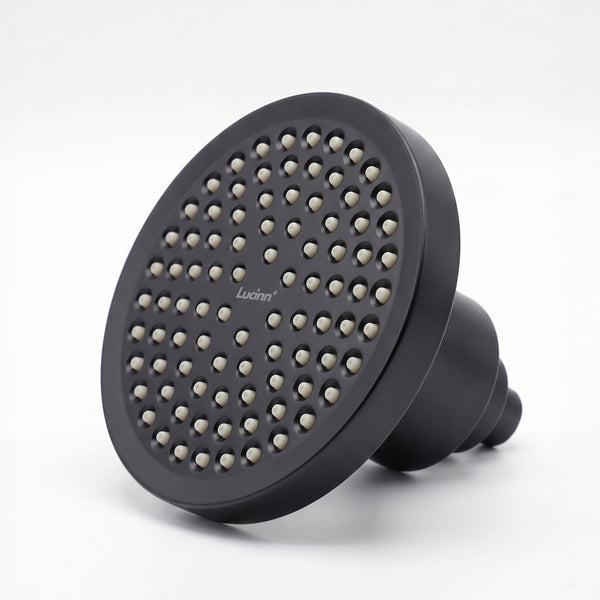
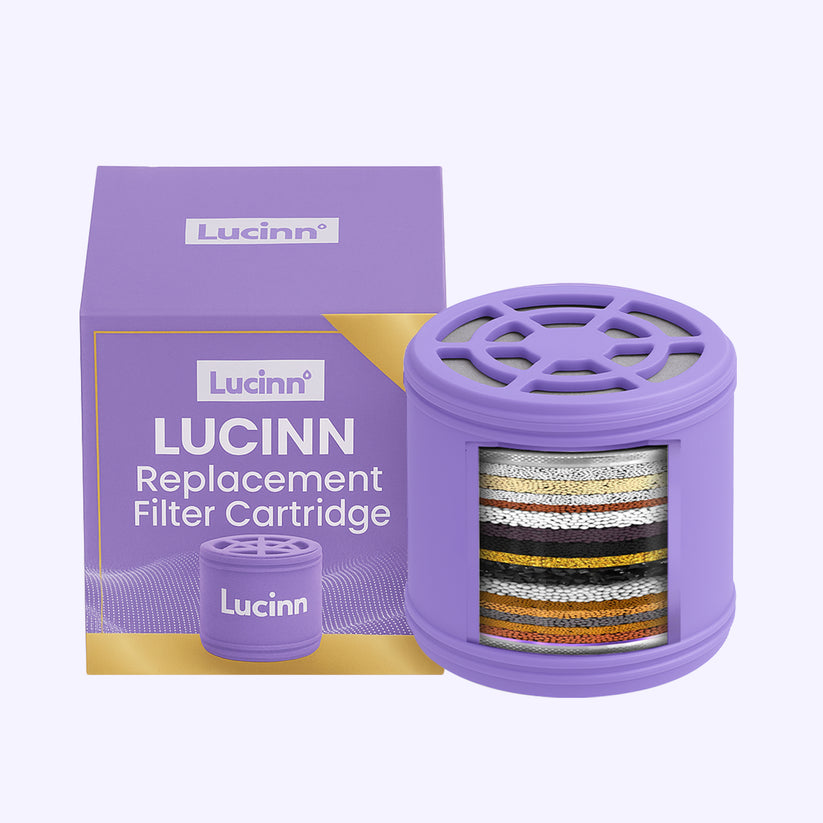
Lucinn showerheads use a multi stage cartridge with KDF-55 to help with heavy metals, activated carbon to help with chlorine, and mineral layers that leave water softer on your scalp.
- Helps reduce chlorine and hard minerals that can cause scalp buildup.
- Helps your shampoo and conditioner work as designed.
- Installs in about three minutes on any standard fitting, no tools.
- Built to keep water pressure strong while it filters, so your shower still feels great.
Start With the Water

If you want one upgrade that supports your whole routine, a Lucinn filtered showerhead is an easy place to start, with a 60 day money back guarantee so you can test it risk free.
Shop Lucinn Pro Filtered ShowerheadsConclusion
The right shower routine for oily scalp is about balance, not stripping every drop of oil away.
Use lukewarm water, shampoo the scalp only, condition just the ends, and rinse thoroughly, then find the wash frequency that keeps you fresh without triggering more grease.
Stay gentle, watch your products, and keep your hands out of your hair between washes.
Treating your water with a filter reduces the buildup and chlorine that quietly work against you, so every step has a better chance to do its job. Start there and your scalp can settle into a calmer balance.
Frequently Asked Questions
How often should I wash an oily scalp?
Does washing my hair more reduce oily scalp?
Should I use hot or cold water for an oily scalp?
Can hard water make my scalp oily?
Is it bad to condition oily hair?